

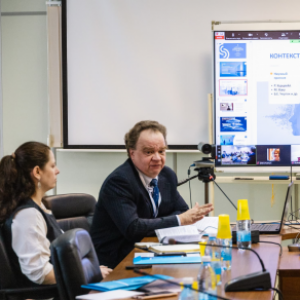
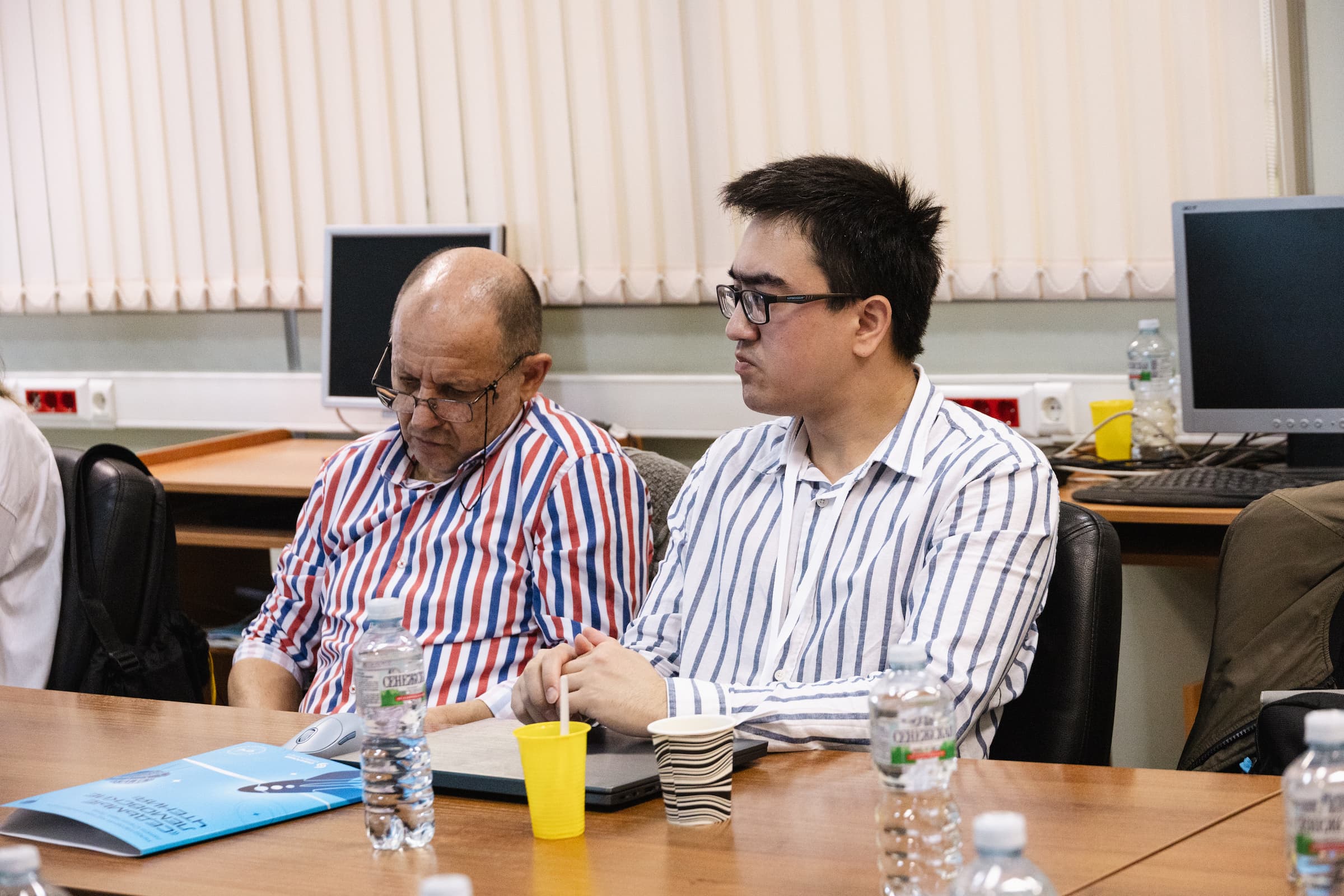
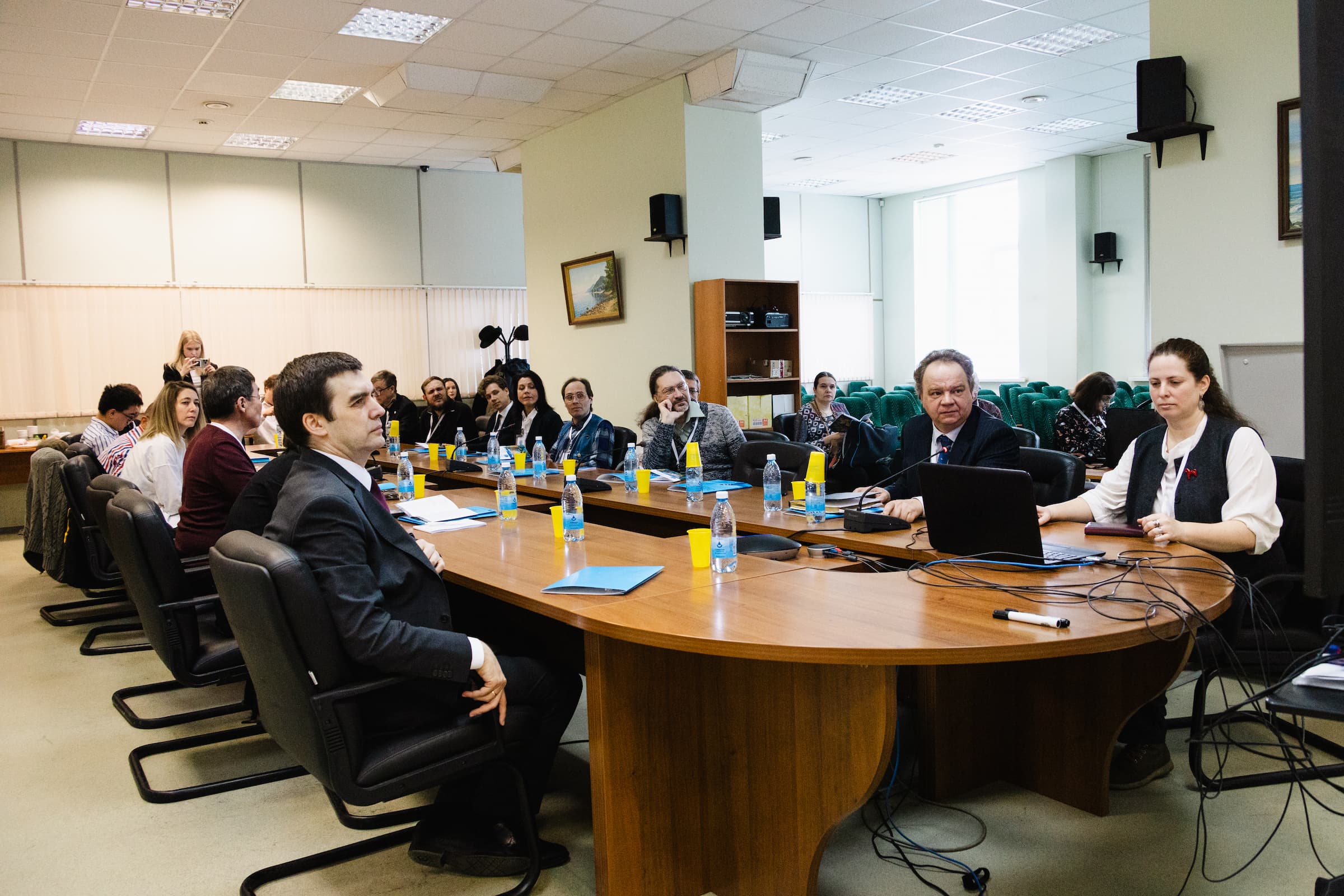
Every two years, Samara University brings together scholars from diverse disciplines—philosophers, linguists, legal experts, mathematicians, and literary critics—who share a passion for science fiction. The Lem Lectures, a conference dedicated to the legacy of Stanisław Lem and the multidimensional interpretation of speculative literature, once again gathered nearly 100 researchers from across Russia and Kazakhstan. This year’s focus was on utopias, with participants traveling from Abakan to Tomsk, Murmansk to Pyatigorsk, St. Petersburg to Novosibirsk, Vologda to Moscow.
A utopia, by definition, is a positive vision of the future—and this year’s organizers deliberately centered their discussions on precisely this genre, analyzing works by Ivan Yefremov, the Strugatsky brothers, Viktor Pelevin, and Kira Bulycheva.
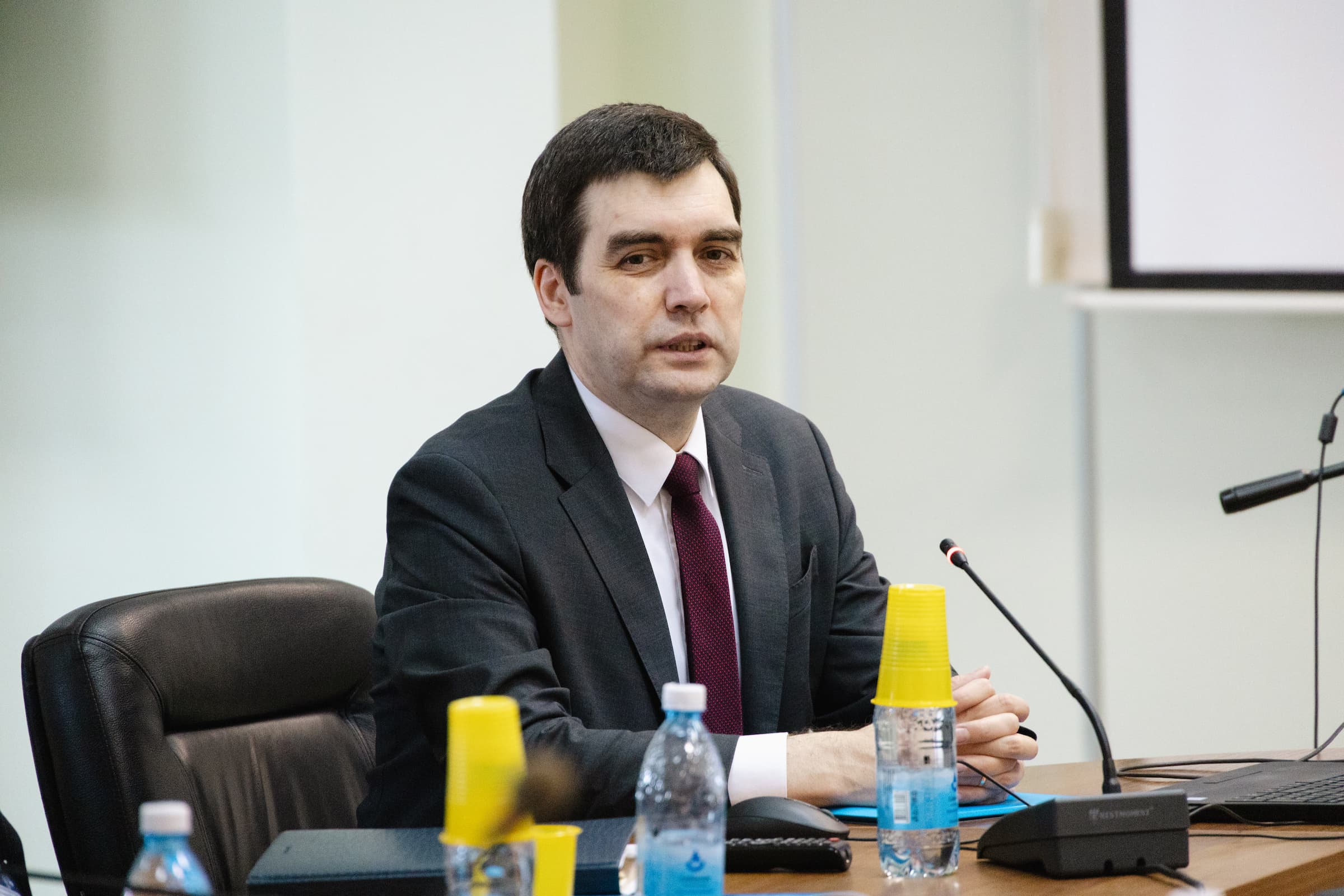
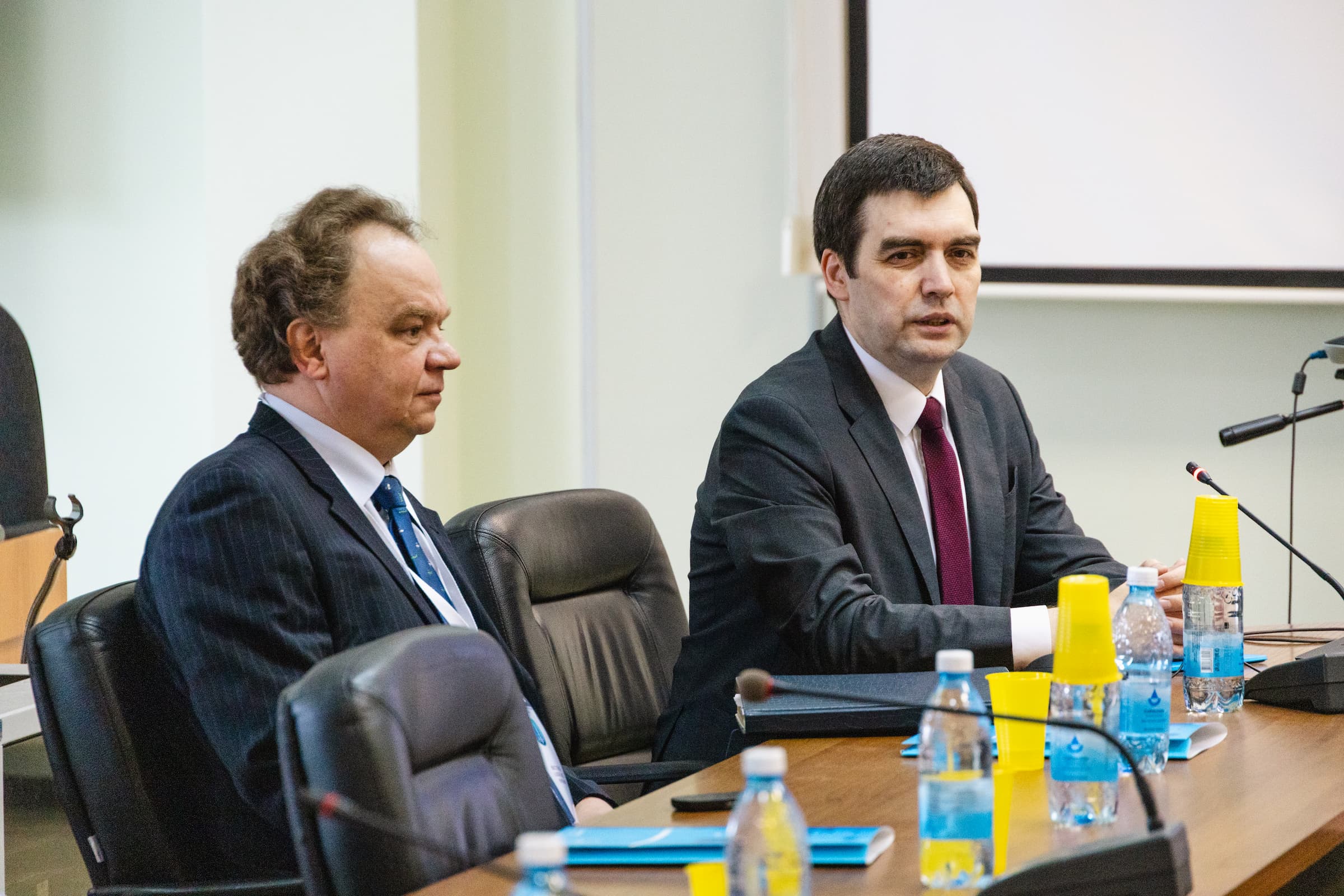
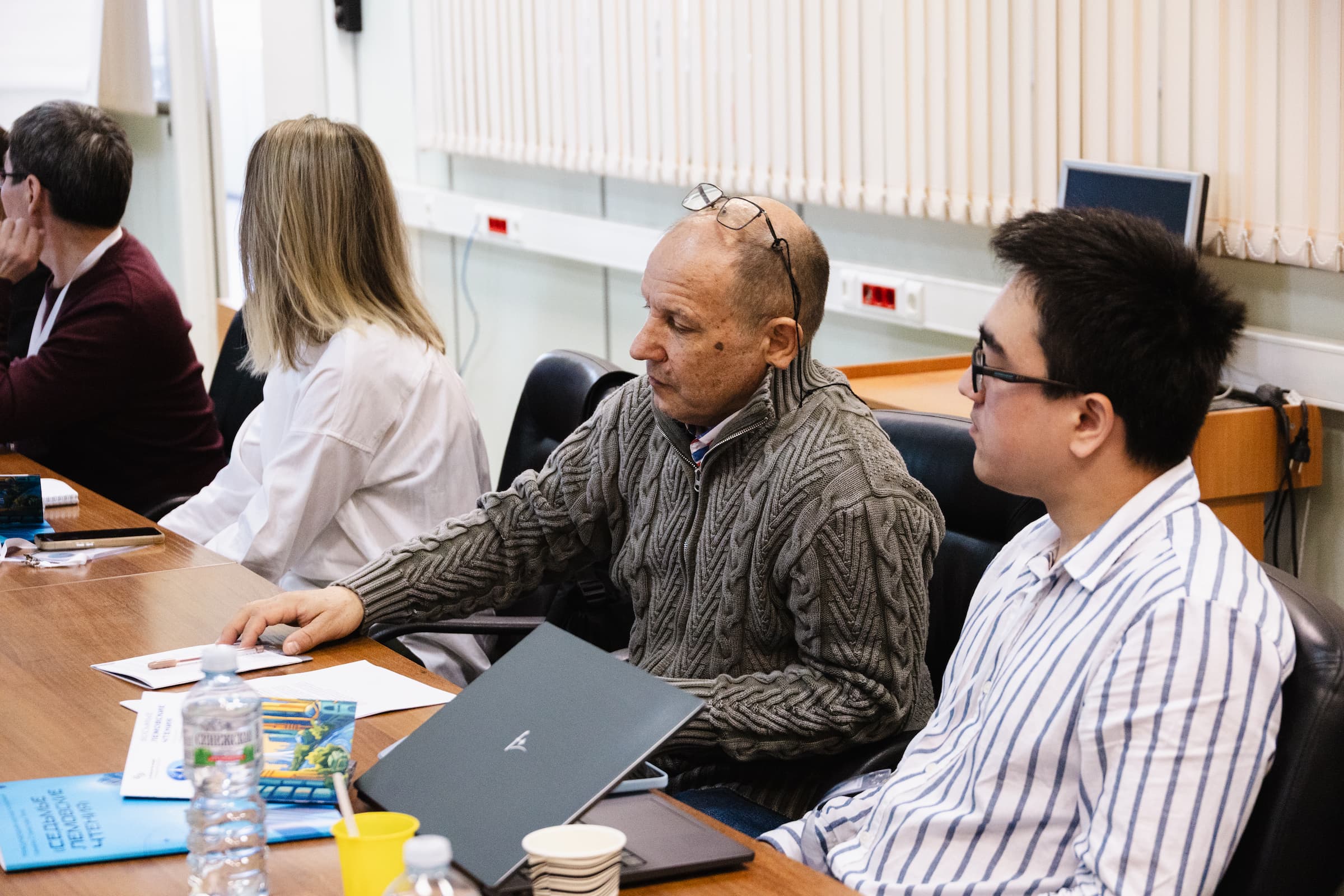
“As our graduate exams in philology have shown,” noted Alexander Nesterov, professor and Head of the Department of Philosophy at Samara University, as well as the intellectual driving force behind the conference, “not a single candidate could name a single work of art—ancient, Western, Eastern, or global—that presents a positive image of the future. They don’t recognize Nikolai Nosov’s ‘Dunno in Sun City’, Chernyshevsky’s ‘What Is to Be Done?’, or even Russian Futurist writings as utopias.
But utopia is precisely the clearest example of how we construct a desired future—a space where the key contradictions of the author’s time are resolved. If a person has no utopia, it means they don’t perceive the tensions shaping their reality—and without such awareness, there can be no foundational drive to build a better tomorrow.”
The plenary session featured Yelena Kovtun, Professor at the Department of Slavic Philology, Lomonosov Moscow State University, and Head of the Department of Slavistics and Central European Studies at the Russian State University for the Humanities. She analyzed utopian models in the works of Yefremov and the Strugatskys, offering a defining insight:
“The task of science fiction is to seek exits from the traps of civilization and evolution—armed conflicts, ecological crises, humanity’s search for its place in the world, food security.”
She contrasted Yefremov’s idealized, almost mythic heroes with the Strugatskys’ more relatable, flawed protagonists—yet emphasized that both visions are united by optimism and faith in human potential.
The first question from the audience cut to the heart of the matter:
“What must we do so our children want to build the future?”
Her answer set the tone for the ensuing discussion on pedagogy in 20th-century science fiction:
“We must educate them! In these novels, society dedicates its greatest resources to building a corps of teachers and mentors—creative, compassionate individuals who invest immense energy into education and moral development.”
Such an approach, she argued, cultivates selfless, heroic individuals. And history offers real-world proof: through visionary educators like Anton Makarenko, the Soviet Union raised a generation that won the Great Patriotic War, rebuilt the nation from ruins, and created its space program, nuclear energy sector, and atomic shield.
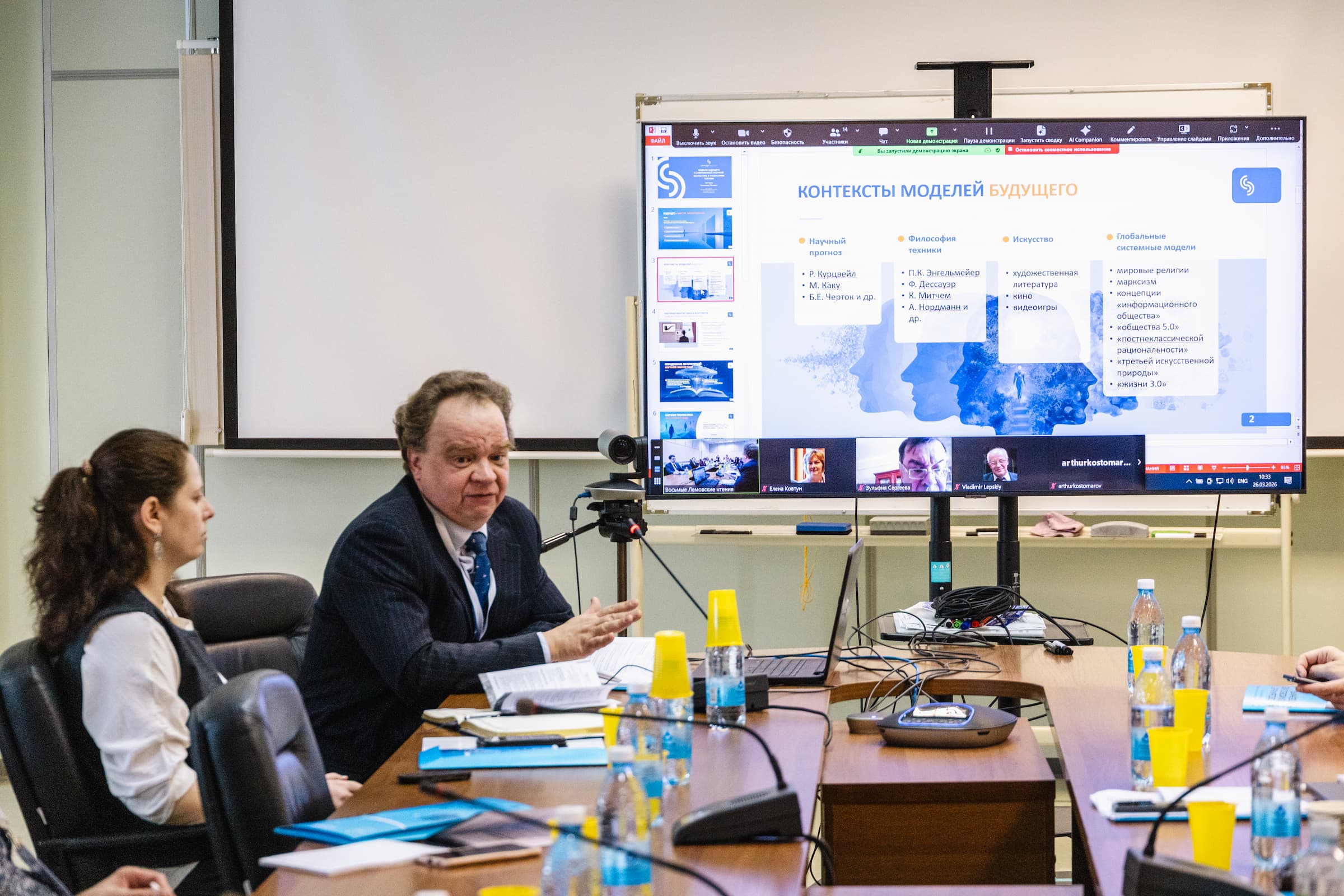
In his keynote address, Professor Nesterov explored models of the future in contemporary science fiction and philosophy of technology. Starting from the premise that “the future is a place that does not exist,” he proposed a formula for constructing speculative worlds: they emerge from forecasts rooted in four domains—science, technology, art, and philosophical models.
He outlined three types of techno-utopias spanning the 20th and 21st centuries:
Human-centered machines: In early visions (Heinlein, Asimov, Yefremov, the Strugatskys), humans build extraordinary machines but remain fundamentally human—enhancing their intellect and agency through reason.
Informational machines: The cyberpunk era (Gibson, Stephenson, Rucker) introduces systems granting near-divine power through data and networks.
Intelligent machines: In works by Lem, Pelevin, and Philip K. Dick, artificial minds begin to imagine, reason, and decide—ushering in a transformation of rationality itself and raising urgent questions about humanity’s place in a world dominated by advanced AI.
“Utopias—and the very effort to conceptualize a world that does not yet exist—produce images of an ideal future: the horizon toward which humanity strives,” Nesterov explained.
“But within a consumerist paradigm, people become perfect targets for manipulation—susceptible to shifting Overton windows. To prevent this, we must actively cultivate utopian thinking in all its forms. And as university educators, it is vital that we transmit knowledge of these literary, philosophical, and historical expressions of utopia.”
Among modern examples cited were Alastair Reynolds’ Revelation Space series (exploring AI emergence), Viktor Pelevin’s transhumanist cycle, Neal Stephenson’s Anathem, and Dan Simmons’ Hyperion.
Also participating was Nikolai Tverdynin, Professor at the Academy of Civil Defense (EMERCOM) and Adjunct Professor at Moscow Linguistic University, who examined post-apocalyptic nuclear war scenarios through the lens of the Chernobyl disaster—having personally taken part in its cleanup:
“One of the earliest such works is H. G. Wells’ The World Set Free, written 12 years before Hiroshima and Nagasaki. Wells predicted nuclear warfare with astonishing accuracy—the evacuations, the permanent exclusion zones, global upheaval, and social transformation. Science fiction is universal modeling, unbound by constraints. And in that sense, it will always remain relevant—more or less, depending on the era.”
For Reference:
The Eighth Lem Lectures were organized by the Department of Philosophy in collaboration with the Department of Russian and Foreign Literature and Public Relations, with support from the Russian Academy of Sciences’ Scientific Council on Methodology of Artificial Intelligence and Cognitive Research. The Organizing Committee was chaired by Anna Dyomina, Associate Professor of Philosophy and Candidate of Philosophical Sciences.
Visual materials for the conference were created by renowned Samara artist Svetlana Likhachyova and neuroartist Maxim Melnikov, a graduate of Samara University’s master’s program in Cybernetic Philosophy.
Photos and video report by Anastasia Andriyanova and Polina Tsytsova, 3rd-year students, Television program
